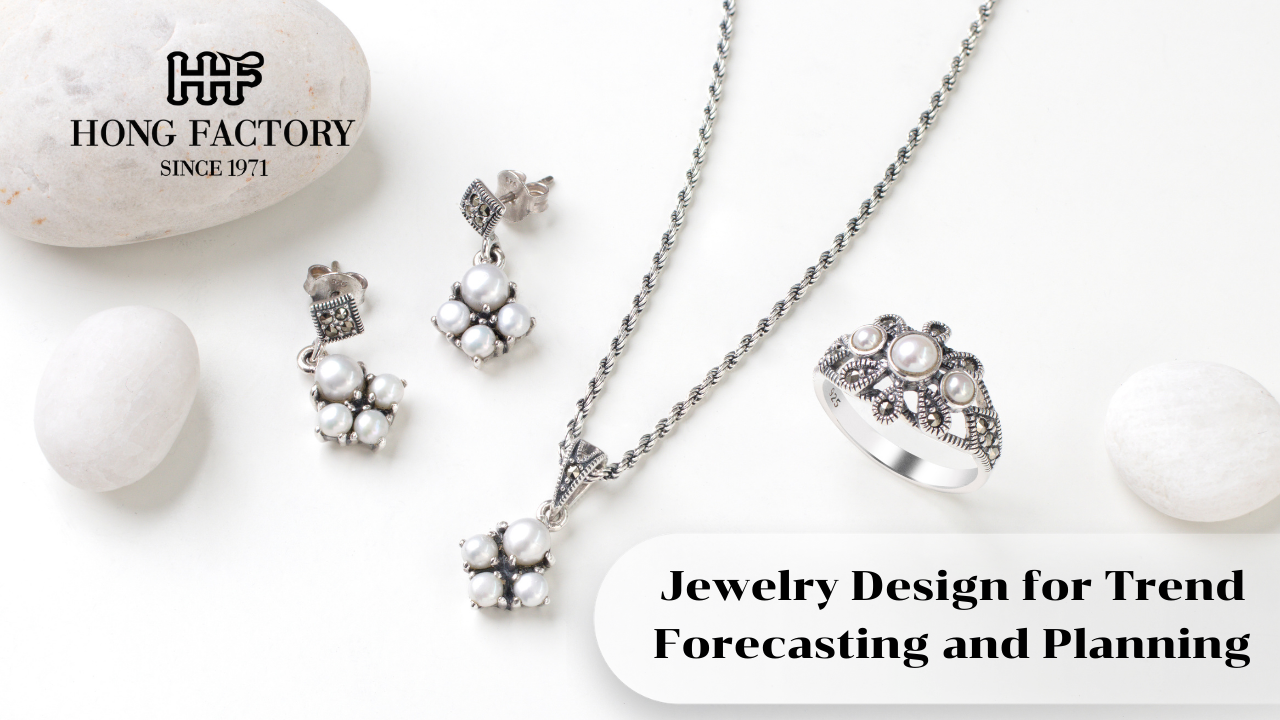
In the jewelry industry, successful brands do not simply react to trends—they anticipate them. Trend forecasting and planning allow jewelry designers and brands to stay relevant while avoiding short-lived fads that damage long-term value. For silver and marcasite jewelry brands, jewelry design for trend forecasting and planning is a strategic process that balances creativity, market intelligence, and brand identity. sterling silver meaning
This article explains how jewelry brands can forecast trends effectively, plan collections with confidence, and translate insights into commercially successful designs.
Why Trend Forecasting Matters in Jewelry Design
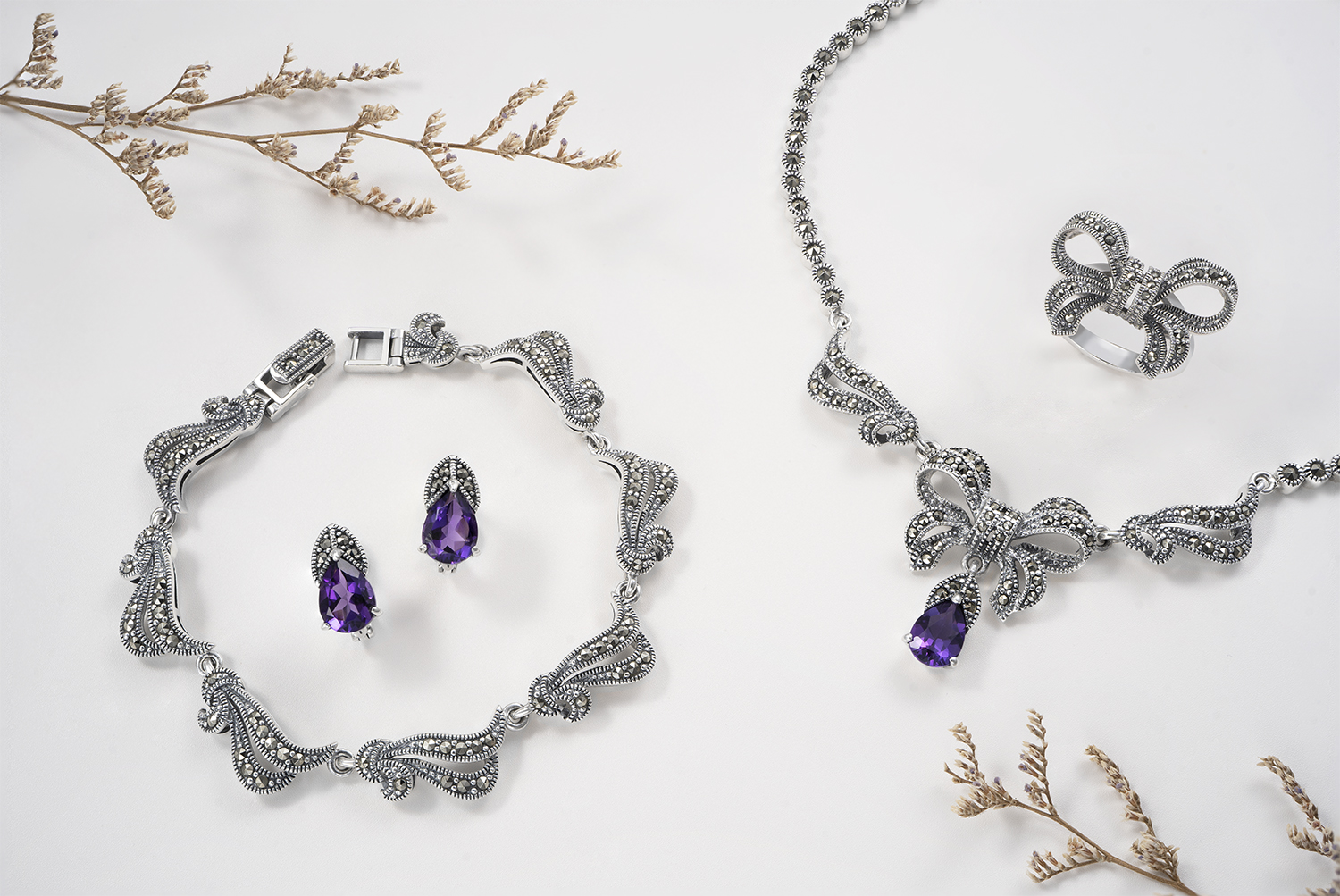
Trends influence demand.
Trend forecasting helps brands:
- Anticipate customer preferences
- Reduce design and inventory risk
- Plan collections strategically
- Maintain relevance without losing identity
Without forecasting, brands are forced into reactive design decisions.
Understanding the Difference Between Trends and Fads
Not all trends are equal.
Trends vs Fads
- Trends evolve gradually and influence long-term style direction
- Fads rise quickly and disappear just as fast
Effective planning focuses on trends that align with brand values and longevity.
Key Sources for Jewelry Trend Forecasting
Insight comes from multiple channels.
Industry and Market Signals
Brands often analyze:
- Fashion runway themes
- Jewelry trade shows and exhibitions
- Retail bestseller data
- Competitor product launches
These signals reveal emerging patterns.
Consumer Behavior and Lifestyle Shifts
Lifestyle changes shape jewelry trends.
Designers should observe:
- Changes in work and social habits
- Sustainability and ethical awareness
- Shifts in gifting behavior
- Digital and social media influence
Consumer values often predict future trends.
Using Silver and Marcasite in Trend Planning
Materials provide stability.
Silver as a Trend-Adaptive Material
Sterling silver:
- Adapts easily to changing styles
- Supports both minimalist and decorative trends
- Balances affordability and perceived value
Marcasite as a Trend Anchor
Marcasite offers:
- Vintage appeal that cycles predictably
- Texture that complements modern and classic designs
- A stable aesthetic that resists extreme trend swings
These materials help manage trend risk.
Translating Trend Insights into Design Direction
Insight must become action.
From Trend Concept to Jewelry Design
Design teams should:
- Identify trend themes that fit the brand
- Translate themes into wearable elements
- Limit trend influence to specific design features
Trend adaptation should feel intentional, not forced.
Planning Jewelry Collections Around Trends
Planning ensures coherence.
Trend-Based Collection Structure
Effective collections often include:
- Core timeless designs
- Trend-influenced accent pieces
- Experimental limited editions
This structure balances stability and innovation.
Timeline Planning for Jewelry Trends
Timing determines success.
Jewelry Trend Planning Cycles
Brands should plan:
- 6–12 months ahead for core collections
- Shorter cycles for limited or digital-first releases
Early planning reduces rushed decisions.
Designing Trend-Responsive Yet Timeless Jewelry
Longevity protects brand value.
Design Strategies for Timeless Adaptation
- Use trend colors in small accents
- Apply trending motifs subtly
- Maintain classic proportions and silhouettes
This approach ensures designs age well.
Trend Forecasting for Different Sales Channels
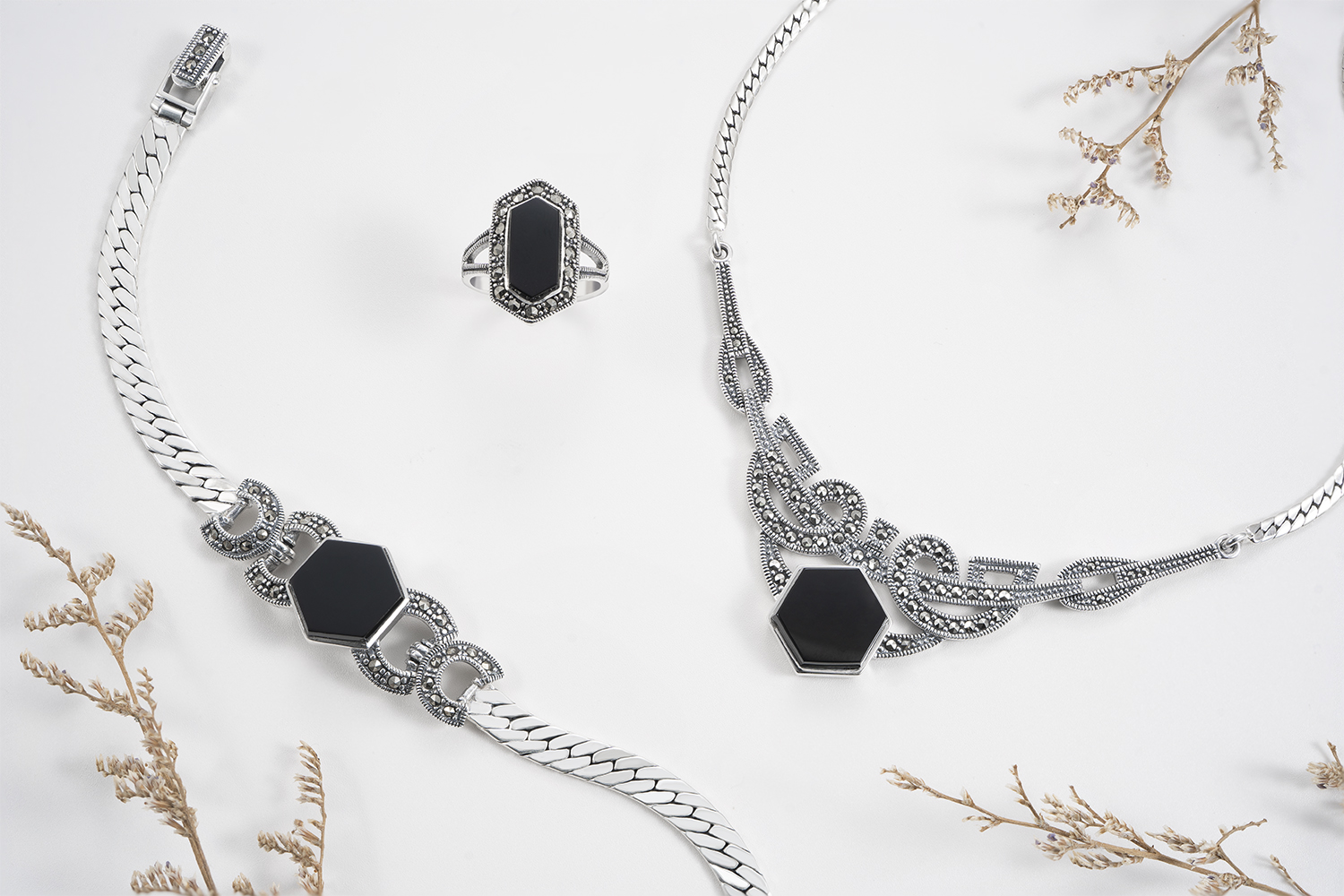
Channels influence design decisions.
E-commerce and Direct-to-Consumer
Online trends evolve faster and favor:
- Visual impact
- Social media compatibility
- Shorter trend cycles
Wholesale and Retail
Wholesale trends require:
- Stability and predictability
- Longer selling windows
- Lower risk tolerance
Design planning must reflect channel needs.
Data-Driven Trend Forecasting
Data reduces guesswork.
Brands can analyze:
- Sales history and bestseller patterns
- Search and social media engagement
- Customer feedback and reviews
Data-backed forecasting improves accuracy.
Collaborating Across Teams for Trend Planning
Forecasting is not isolated.
Effective planning involves:
- Designers
- Merchandising teams
- Sales and marketing teams
Cross-functional insight leads to better outcomes.
Avoiding Common Trend Forecasting Mistakes
Mistakes increase risk.
Mistakes to Avoid
- Chasing every trend blindly
- Ignoring brand identity
- Overproducing trend-heavy designs
Discipline protects long-term growth.
Testing Trends Before Full Commitment
Testing reduces uncertainty.
Brands can:
- Launch limited runs
- Test trends through online exclusives
- Monitor early performance indicators
Testing allows informed scaling.
Measuring Trend Success in Jewelry Design
Evaluation guides refinement.
Brands should track:
- Sell-through rates
- Customer response and engagement
- Reorder demand
Feedback informs future planning.
Long-Term Benefits of Strategic Trend Planning
Forecasting supports sustainable growth.
Brands that plan effectively:
- Stay relevant without volatility
- Reduce inventory waste
- Strengthen brand credibility
Trend forecasting becomes a competitive advantage.
Conclusion
Jewelry design for trend forecasting and planning combines creativity with strategic insight. By understanding market signals, consumer behavior, and brand alignment, silver and marcasite jewelry brands can anticipate trends rather than chase them. When trend influence is applied thoughtfully and supported by data, jewelry design becomes both innovative and resilient—driving consistent success in a changing market.