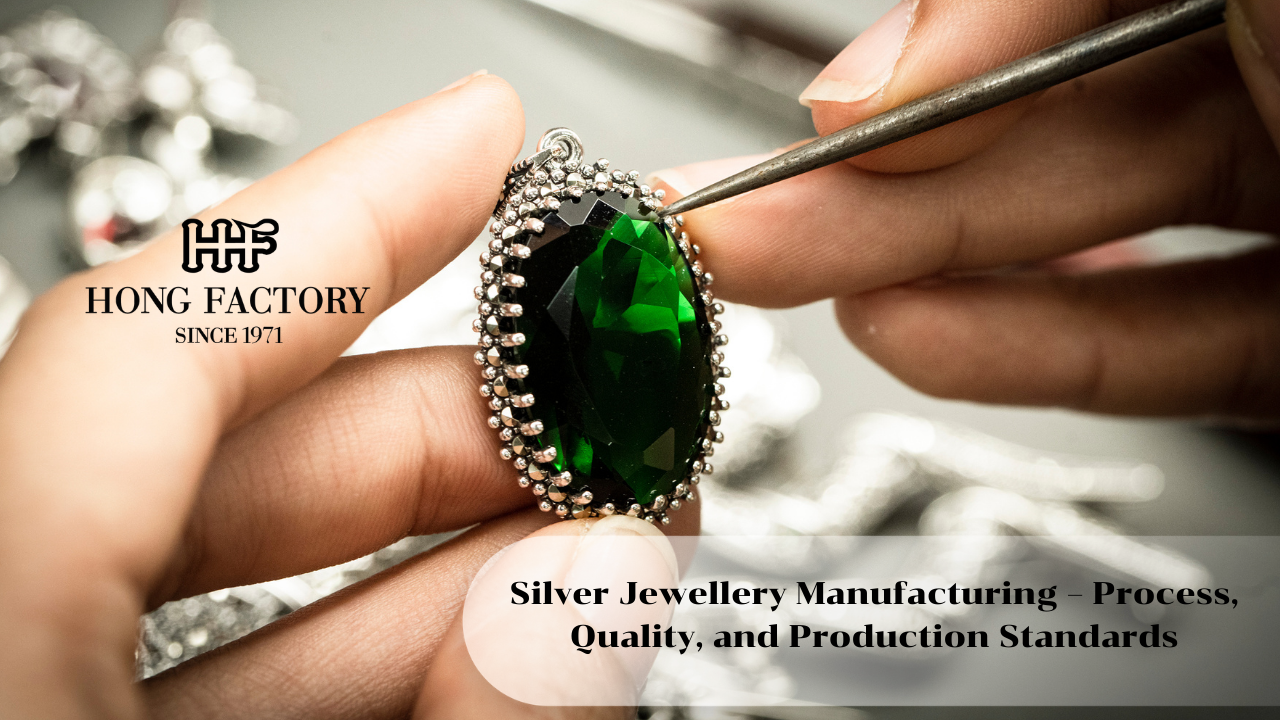
Introduction to Silver Jewellery Manufacturing
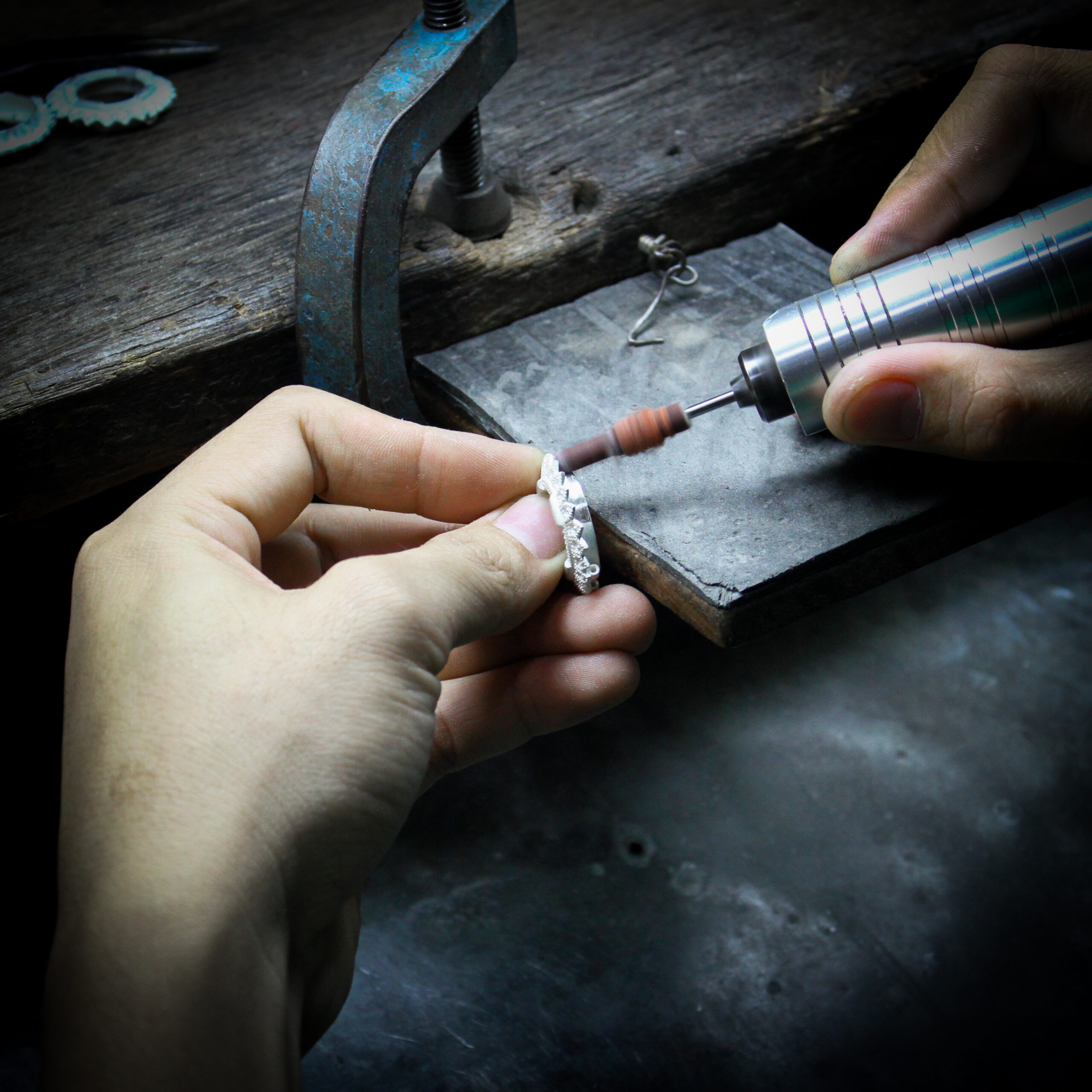
Silver jewellery manufacturing is the foundation of the silver jewellery industry. From raw material selection to finished products, each step in the manufacturing process directly affects quality, durability, and market value. Understanding how silver jewellery is manufactured helps businesses source better products and build trust with customers. sterling silver meaning
What Silver Jewellery Manufacturing Involves
Silver jewellery manufacturing refers to the complete production process of transforming jewellery silver into wearable pieces. This includes design development, material preparation, forming, assembling, finishing, and quality control. Most manufacturers work primarily with sterling silver due to its reliability and global acceptance.
Design and Prototyping Stage
The manufacturing process begins with design and prototyping. Designers create sketches or digital models that define shape, size, and structure. Prototypes are produced to test proportions, comfort, and aesthetics before mass production begins.
Material Preparation in Silver Jewellery Manufacturing
During material preparation, silver is melted and alloyed to achieve the desired purity, most commonly 925 sterling silver. The molten silver is then cast into bars, sheets, or wires depending on the production method and product type.
Forming and Shaping Techniques
Silver jewellery manufacturing uses various forming techniques such as casting, stamping, forging, and hand fabrication. Casting is common for complex designs, while hand fabrication is preferred for detailed or custom pieces. Each method affects texture, strength, and appearance.
Assembly and Soldering Process
Individual components are assembled and soldered together using precise temperature control. Proper soldering ensures strong joints without weakening the silver. Skilled workmanship at this stage is critical for product durability.
Finishing and Surface Treatment
Finishing processes give silver jewellery its final appearance. These include polishing, brushing, oxidizing, and plating if required. Surface treatment enhances shine, texture, and visual appeal while protecting the jewellery.
Quality Control in Silver Jewellery Manufacturing
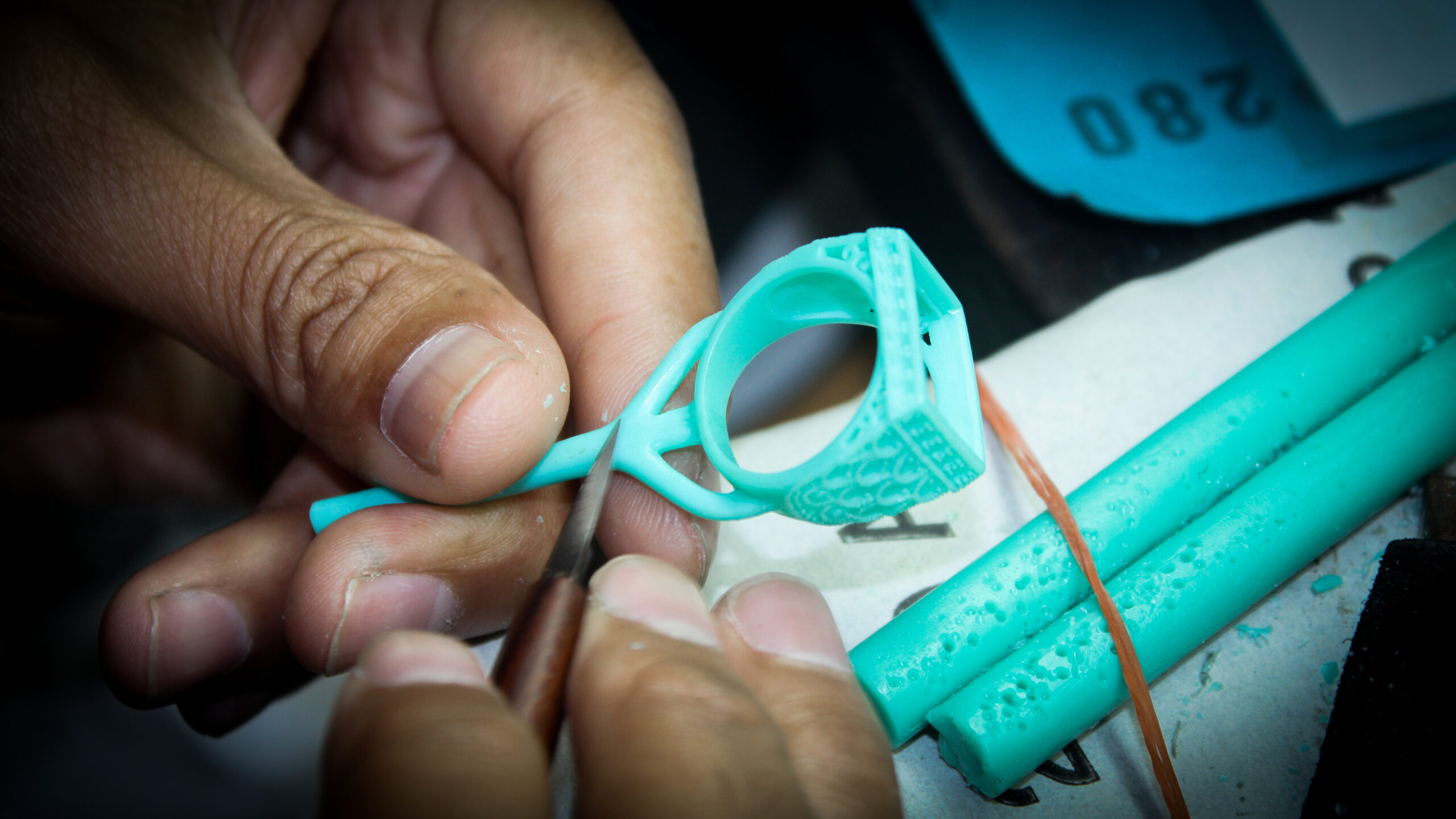
Quality control is a vital part of silver jewellery manufacturing. Products are inspected for purity, weight accuracy, structural strength, and surface finish. Consistent quality standards reduce defects and improve customer satisfaction.
Manufacturing Scale and Production Capacity
Silver jewellery manufacturing can range from small artisan workshops to large-scale factories. Production capacity affects pricing, lead time, and customization options. Businesses must choose manufacturers that align with their volume and quality requirements.
Ethical and Sustainable Manufacturing Practices
Modern silver jewellery manufacturing increasingly emphasizes ethical sourcing and sustainable production. Responsible manufacturers use recycled silver, minimize waste, and ensure fair labor practices, adding value to their products.
SEO Value of Silver Jewellery Manufacturing Content
From an SEO perspective, silver jewellery manufacturing attracts business-focused and B2B search intent. When connected with keywords such as jewellery silver and sterling silver jewellery, it strengthens industry authority and content depth.
Conclusion
Silver jewellery manufacturing is a complex process that combines design, material science, and skilled craftsmanship. Understanding production standards and quality control helps businesses make informed sourcing decisions and deliver reliable silver jewellery to the market.