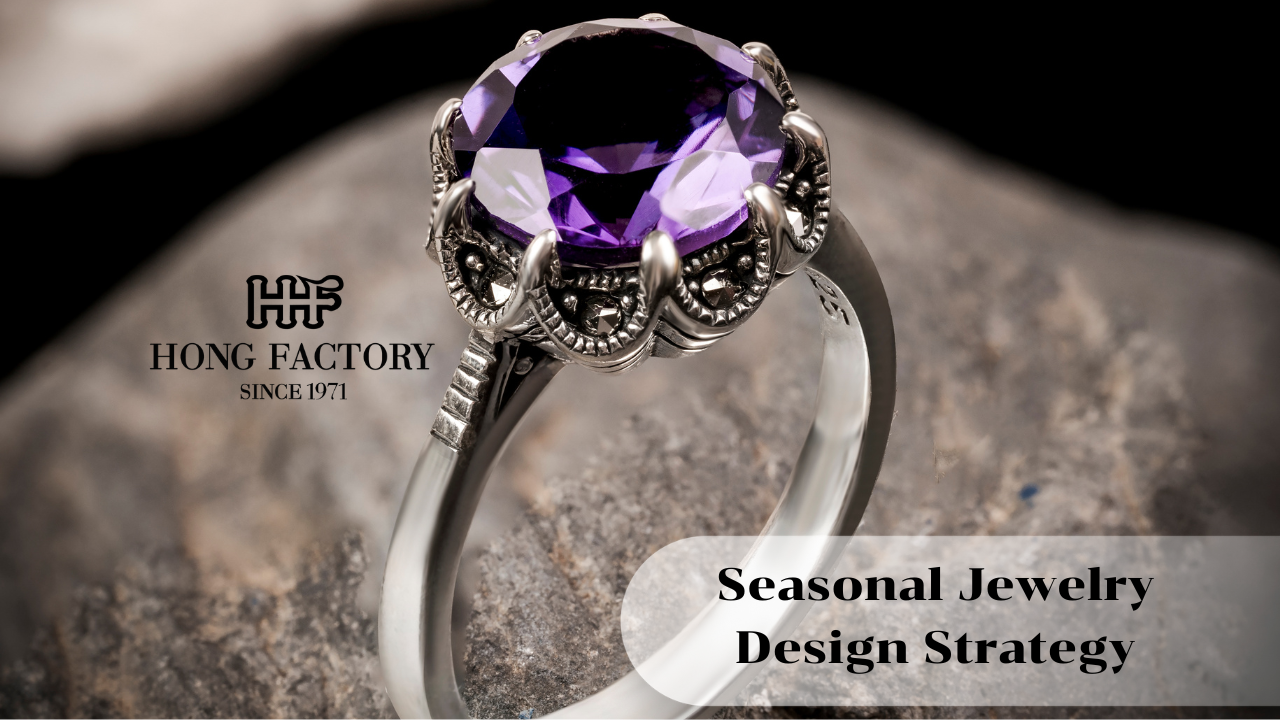
Seasonal jewelry design is a strategic approach that aligns collections with changing consumer moods, fashion cycles, and buying behaviors throughout the year. For silver and marcasite jewelry brands, a well-planned seasonal jewelry design strategy helps maintain freshness, increase sell-through, and create timely relevance—without relying on short-lived trends. sterling silver meaning
This article explains how brands can plan, design, and market seasonal jewelry collections effectively while protecting long-term brand identity and profitability.
Why Seasonal Jewelry Design Matters
Seasonality influences demand.
Customers shop differently across the year. Seasonal design helps brands:
- Stay visually relevant
- Increase engagement during peak buying periods
- Create marketing stories tied to time and emotion
- Drive repeat purchases across seasons
For silver and marcasite brands, seasonality should feel thoughtful—not forced.
Understanding Jewelry Seasonality
Seasonality is both emotional and practical.
Seasonal Buying Drivers
Jewelry demand is influenced by:
- Weather and clothing changes
- Holidays and gifting occasions
- Cultural events and celebrations
- Lifestyle shifts across the year
Designers must understand how these factors shape preferences.
Core Seasons and Design Focus
Each season suggests different aesthetics.
Spring Jewelry Design
Spring designs often emphasize:
- Lightness and renewal
- Floral or organic motifs
- Soft proportions and gentle detailing
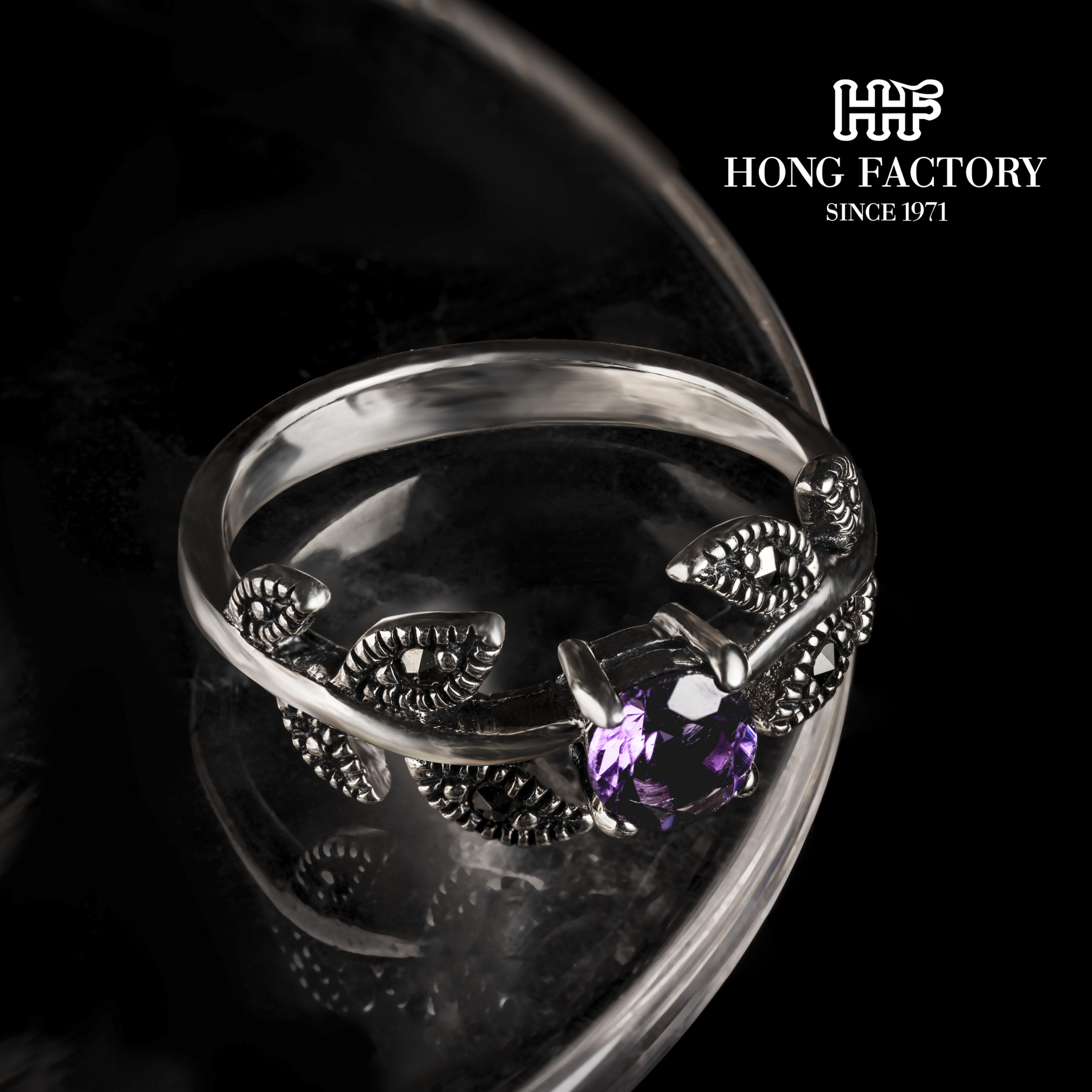
Marcasite works well in delicate spring designs with airy compositions.
Summer Jewelry Design
Summer collections prioritize:
- Lightweight construction
- Comfortable, breathable designs
- Simplicity and versatility
Silver jewelry with minimal marcasite accents suits casual summer styling.
Autumn Jewelry Design
Autumn designs often feel richer.
Design elements may include:
- Deeper tones and textures
- Stronger shapes and structure
- Vintage or Art Deco inspiration
Marcasite’s metallic depth pairs well with autumn aesthetics.
Winter Jewelry Design
Winter collections focus on:
- Elegance and formality
- Statement pieces and layered designs
- Gift-ready appeal
Dense marcasite settings and polished silver create festive impact.
Designing Seasonal Variations Without Overhauling Collections
Consistency protects brand identity.
Smart Seasonal Adaptation
Instead of redesigning everything, brands can:
- Adjust proportions or scale
- Introduce seasonal motifs subtly
- Vary finishes or stone density
This keeps collections cohesive year-round.
Seasonal Color and Texture Considerations
Color supports seasonal storytelling.
Seasonal Color Direction
- Spring: soft neutrals and light accents
- Summer: clean silvers and minimal contrast
- Autumn: darker finishes and texture
- Winter: high polish and visual richness
Marcasite’s neutral tone adapts easily across seasons.
Seasonal Jewelry for Gifting Occasions
Gifting peaks drive design decisions.
Key Gifting Seasons
Brands should consider:
- Valentine’s Day
- Mother’s Day
- Year-end holidays
- Cultural or regional celebrations
Seasonal designs with emotional symbolism perform well as gifts.
Limited Seasonal Drops vs Core Collections
Balance drives sustainability.
Core vs Seasonal Strategy
- Core collections provide stability
- Seasonal drops add excitement and urgency
Seasonal pieces should complement—not replace—core designs.
Seasonal Jewelry in E-commerce and Marketing
Timing maximizes impact.
Seasonal Marketing Alignment
Successful seasonal strategies align:
- Product releases
- Visual campaigns
- Messaging and storytelling
Consistency across channels reinforces relevance.
Inventory Planning for Seasonal Jewelry
Forecasting reduces risk.
Inventory Best Practices
- Use past sales data to estimate demand
- Limit quantities for seasonal designs
- Monitor sell-through closely
Seasonal jewelry should not create excess stock.
Seasonal Jewelry for Wholesale and Retail
Retailers plan by season.
Wholesale buyers prefer brands that:
- Offer clear seasonal direction
- Deliver on-time and consistently
- Balance novelty with wearability
Seasonal clarity supports stronger partnerships.
Pricing Strategy for Seasonal Collections
Seasonal pricing should feel justified.
Pricing may reflect:
- Design complexity
- Limited availability
- Gifting value
Avoid deep discounting that harms brand perception.
Avoiding Common Seasonal Design Mistakes
Mistakes weaken impact.
Mistakes to Avoid
- Overusing seasonal symbols
- Chasing short-lived trends
- Ignoring core brand identity
Seasonal design should feel natural.
Measuring Seasonal Collection Performance
Performance informs future planning.
Key Metrics
- Sell-through rate by season
- Customer engagement and feedback
- Repeat purchases across seasons
Data improves future seasonal strategies.
Long-Term Benefits of Seasonal Jewelry Design
Seasonality supports brand rhythm.
Well-executed seasonal strategies:
- Keep brands visually fresh
- Encourage repeat engagement
- Strengthen storytelling capabilities
Seasonal design becomes part of brand culture.
Conclusion
A thoughtful seasonal jewelry design strategy allows silver and marcasite brands to remain relevant, engaging, and commercially strong throughout the year. By adapting designs subtly, aligning collections with seasonal moods, and balancing novelty with consistency, brands can create seasonal jewelry that feels intentional rather than trend-driven. In a market shaped by emotion and timing, seasonality—when executed with discipline—becomes a powerful driver of long-term success.