Cultural Symbolism in Marcasite Jewelry: Meanings, Beliefs, and Global Interpretations
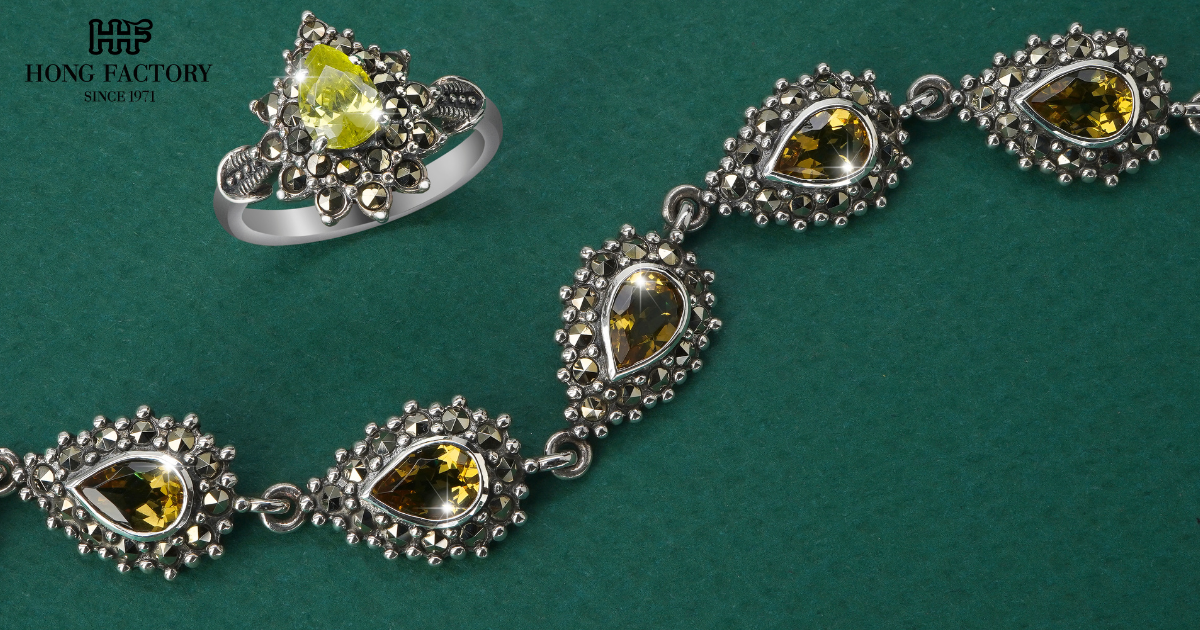
Marcasite jewelry carries more than visual elegance—it holds cultural symbolism that spans centuries and civilizations. Across the world, different cultures have attributed unique meanings to the shimmering metallic stone. Whether used as a protective talisman, a status symbol, an expression of love, or a fashion motif, marcasite has taken on rich spiritual and social significance. Its reflective glow, paired with sterling silver, has made it a meaningful adornment across generations.
This chapter explores the cultural symbolism of marcasite jewelry, tracing its interpretations through ancient societies, major historical periods, and modern global cultures. By understanding these meanings, wearers gain deeper appreciation for marcasite’s emotional and symbolic power. sterling silver meaning
Ancient Symbolism: Protection, Power, and Spiritual Energy
Long before marcasite became a mainstream jewelry material, ancient civilizations used pyrite—the mineral behind marcasite—for symbolic and spiritual purposes.
Common ancient meanings included:
- Protection from negative energy
- Symbol of vitality and confidence
- Attraction of prosperity and abundance
- Shield against physical and spiritual harm
Egyptian Symbolism
Egyptians believed that reflective minerals contained solar energy, connecting them to gods such as Ra. Pyrite amulets were worn to:
- Enhance inner strength
- Protect against evil spirits
- Guide the soul in the afterlife
Greek and Roman symbolism
Greeks saw pyrite as a stone of knowledge and intellect. Romans used it as a talisman of:
- Courage in battle
- Protection during travel
- Status and wealth
These early interpretations created the foundation for marcasite’s symbolic value in later cultures.
Medieval and Renaissance Symbolism: Faith, Magic, and Mystery
During the Middle Ages, reflective stones were believed to hold mystical power.
Common symbolic associations:
- Wisdom
- Protection from dark forces
- Connection to the divine
Monks and nobles sometimes wore metallic-stone pendants or brooches for spiritual protection.
Renaissance Europe
Pyrite was believed to:
- Enhance analytical thinking
- Strengthen willpower
- Stimulate creativity
These beliefs inspired artisans to incorporate metallic stones into ornate religious and royal jewelry.
Victorian Era Symbolism: Love, Memory & Mourning
The Victorian era shaped much of the modern symbolism associated with marcasite.
Key meanings included:
- Love and devotion (heart-shaped and floral motifs)
- Eternal memory (mourning jewelry)
- Sentiment and emotional expression
Marcasite’s soft sparkle made it ideal for mourning jewelry paired with black onyx, representing:
- Respect for the departed
- Quiet beauty during grief
- Enduring affection
Victorian symbolism still influences modern marcasite designs.
Edwardian Symbolism: Purity, Femininity & Grace
Edwardian jewelry was delicate and elegant, and marcasite took on new symbolic meanings.
Common associations:
- Feminine purity
- Emotional refinement
- Romantic elegance
Pearl-and-marcasite combinations symbolized harmony and gentleness.
Art Nouveau Symbolism: Nature, Creativity & Transformation
Art Nouveau embraced organic motifs, giving marcasite jewelry symbolic depth.
Popular meanings:
- Growth and renewal (flowers, vines)
- Transformation (dragonflies, butterflies)
- Freedom of expression (flowing lines)
This era associated marcasite with artistic individuality.
Art Deco Symbolism: Modernity, Strength & Confidence
The Art Deco era transformed marcasite into a symbol of bold sophistication.
Common symbolic themes:
- Power and symmetry
- Modern progress
- Confidence and ambition
Rectangular and geometric designs represented order, precision, and forward movement.

Marcasite Symbolism in Asian Cultures
Marcasite plays a meaningful role in several Asian traditions, particularly through its connection with silver.
Thailand
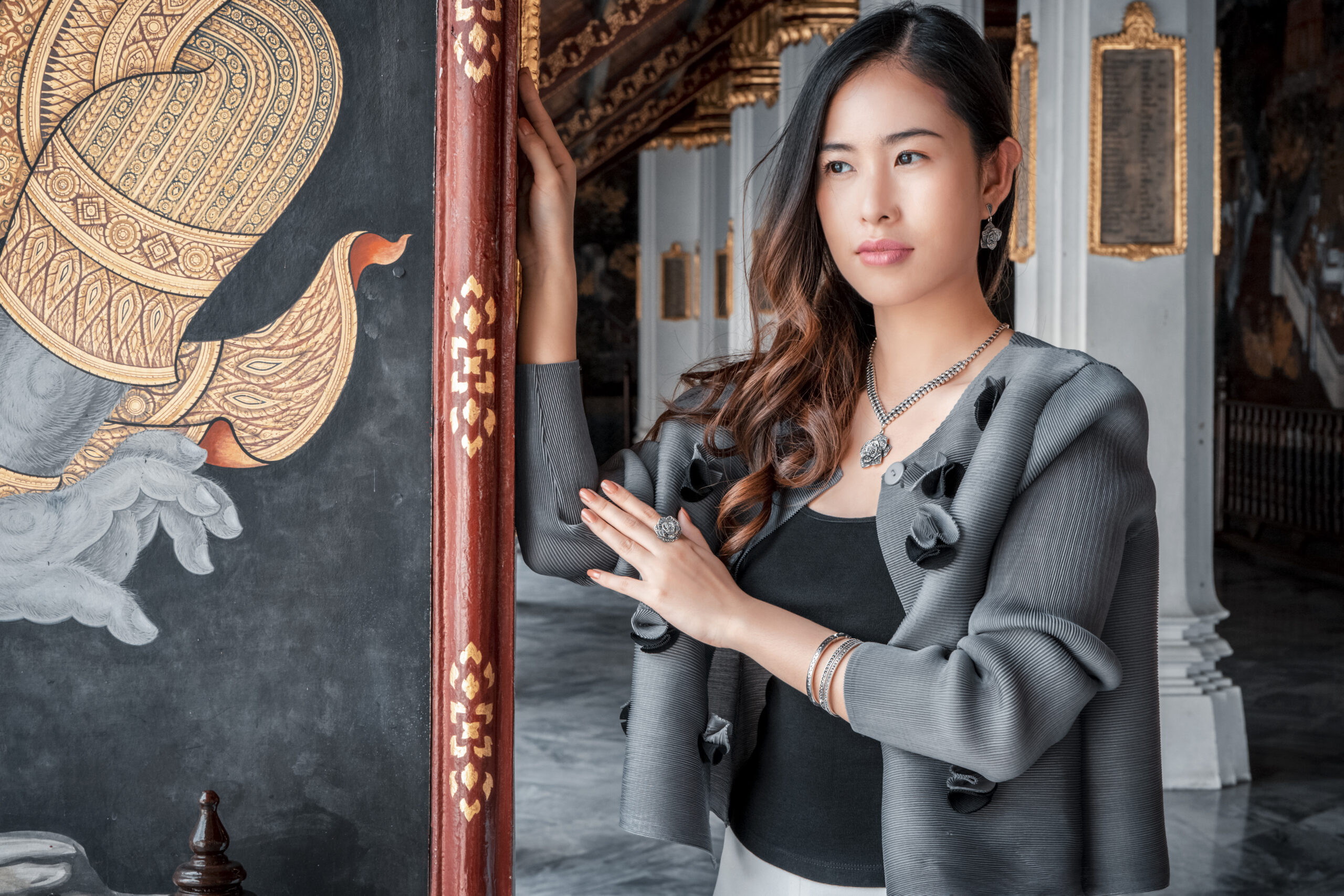
Thailand—one of the global leaders in marcasite craftsmanship—often associates marcasite with:
- Good luck and prosperity
- Protection from harm
- Artistic skill and heritage
Traditional Thai artisans value marcasite for its reflective quality and compatibility with handcrafted silver jewelry.
China
In Chinese culture, metallic stones symbolize:
- Strength
- Vitality
- Protection from misfortune
Floral motifs or phoenix shapes in marcasite jewelry add further meaning related to beauty, hope, and rebirth.
Symbolism in Modern Western Culture
Today’s jewelry wearers often choose marcasite for its emotional and aesthetic meaning.
Modern symbolic interpretations include:
- Vintage elegance
- Personal identity and artistic expression
- Spiritual grounding and confidence
- Sentimental value in heirloom pieces
Many wearers appreciate marcasite for its ability to evoke nostalgia while remaining stylish and contemporary.
Symbolism of Common Marcasite Motifs
1. Hearts – Love, affection, emotional connection
2. Flowers – Growth, beauty, renewal
3. Leaves and vines – Life, resilience, natural energy
4. Butterflies – Transformation and freedom
5. Birds – Hope, spiritual ascension, independence
6. Crosses – Faith, protection, devotion
7. Geometric shapes – Strength, balance, stability
Each motif communicates a deeper meaning that enhances the wearer’s emotional bond with the jewelry.
Marcasite Jewelry as Personal Symbolism
Beyond cultural meanings, many people choose marcasite jewelry for personal reasons.
Common personal symbolic uses:
- Representing timeless memories
- Marking life milestones
- Expressing artistic taste
- Honoring a loved one
- Wearing as a protective charm
The reflective beauty of marcasite allows it to function as both adornment and emotional symbol.

Why Symbolism Enhances Marcasite’s Value
Marcasite’s enduring symbolism contributes to its long-lasting popularity.
Key reasons:
- It carries emotional weight
- It blends vintage tradition with modern meaning
- It connects wearers to global cultural heritage
- It transforms jewelry into storytelling pieces
This symbolic richness makes marcasite more than a decorative stone—it becomes a representation of identity, memory, and meaning.
Conclusion
Cultural symbolism has shaped marcasite jewelry for thousands of years, from ancient protective talismans to Victorian expressions of love and modern artistic statements. Its timeless metallic sparkle carries emotional depth, spiritual meaning, and historical connection across cultures. Whether worn for protection, remembrance, elegance, or self-expression, marcasite jewelry continues to resonate with people around the world.
In the next chapter, we will explore marcasite jewelry in global fashion trends, examining how different countries and cultures incorporate marcasite into contemporary style.