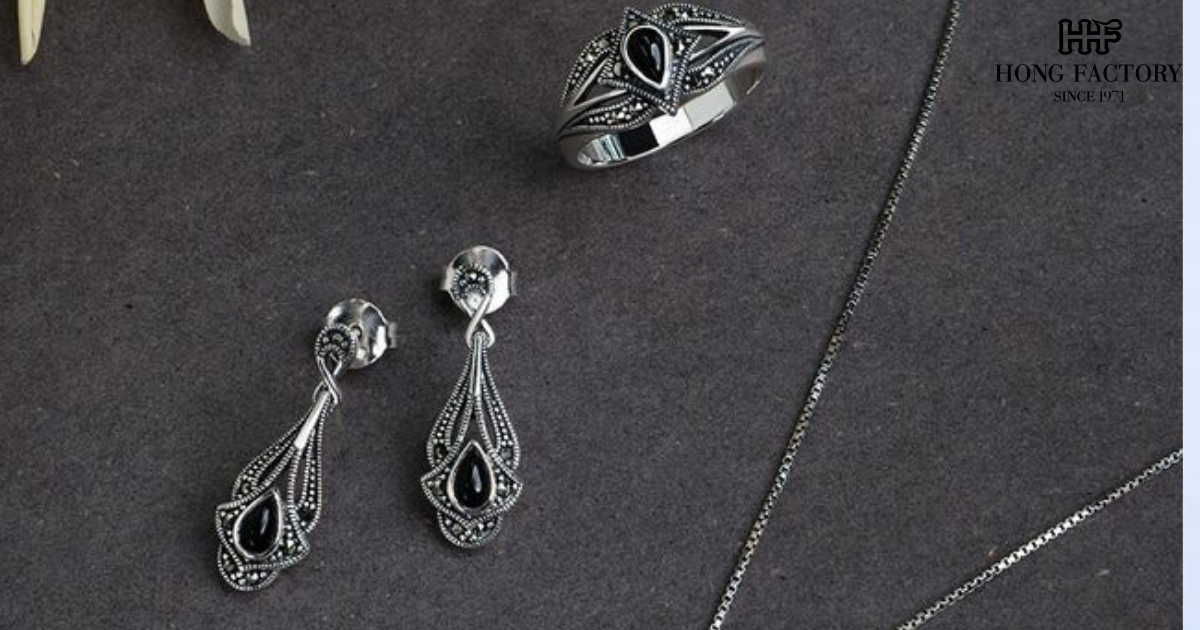
Successful marcasite jewelry brands do not rely on individual designs alone—they thrive on well-planned collections that tell a cohesive story, meet market demand, and support long-term growth. Product development and collection planning are strategic processes that combine creativity, craftsmanship, market research, and commercial awareness. When done correctly, they allow marcasite brands to innovate while preserving their distinctive heritage.
This chapter explores product development and collection planning for marcasite jewelry, covering concept creation, design consistency, production planning, and lifecycle management. sterling silver meaning
The Importance of Strategic Product Development
Product development shapes how a brand evolves over time.
Strong development strategies help brands:
- Maintain design consistency
- Respond to market trends without losing identity
- Control production costs
- Support marketing and storytelling
- Reduce unsold inventory risks
For marcasite jewelry, structure is essential to balance artistry and scalability.
1. Defining the Collection Concept
Every successful collection begins with a clear concept.
Common marcasite collection themes:
- Vintage eras (Victorian, Art Deco, Edwardian)
- Nature-inspired motifs (floral, leaves, animals)
- Symbolic themes (protection, love, spirituality)
- Modern minimalism with marcasite accents
A strong concept guides all design decisions.
2. Market Research and Trend Analysis
Design creativity must be informed by market insight.
Key research inputs include:
- Best-selling historical designs
- Customer feedback and reviews
- Social media and fashion trend analysis
- Competitor collections
Research reduces guesswork and increases commercial success.
3. Balancing Timeless Pieces and Trend Items
Collections should mix stability with freshness.
Ideal collection balance:
- Core timeless designs (long-term sellers)
- Seasonal or trend-led pieces
- Limited or experimental designs
This balance supports both consistent revenue and brand evolution.
4. Design Consistency Across the Collection
Cohesiveness strengthens brand identity.
Elements that create consistency:
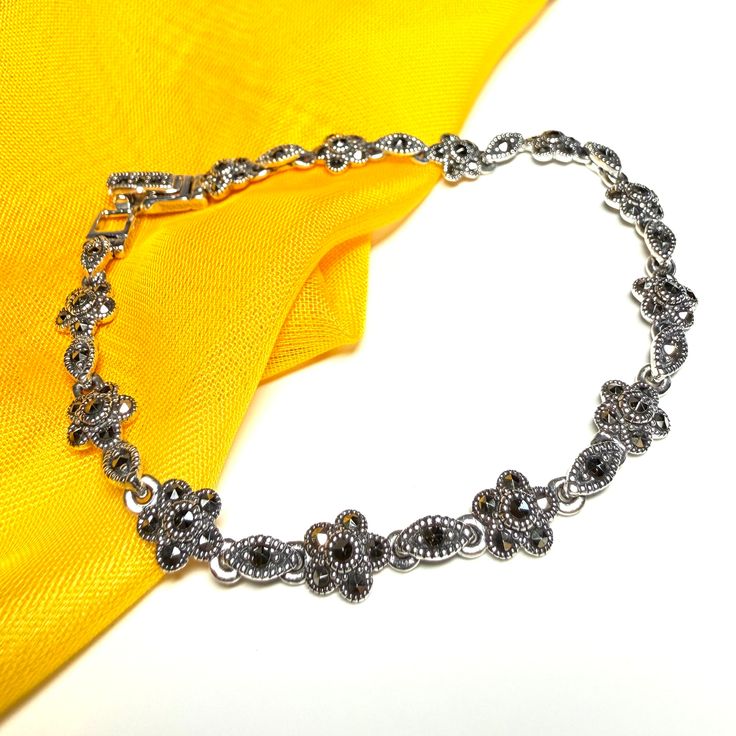
- Repeating motifs or patterns
- Unified stone size or setting style
- Consistent silver finish (polished, oxidized, matte)
- Harmonized proportions
Consistency makes collections easier to market and merchandise.
5. SKU Planning and Product Range Structure
Strategic SKU planning prevents overproduction.
Collection planning considerations:
- Rings, earrings, pendants, bracelets balance
- Multiple price points
- Wearability for different occasions
- Best-seller variations
Well-planned ranges appeal to diverse buyers.
6. Prototyping and Design Validation
Prototyping tests ideas before full production.
Validation steps include:
- CAD or hand-made prototypes
- Fit and comfort testing
- Stone security checks
- Cost and labor evaluation
Early testing reduces costly revisions.
7. Production Planning and Capacity Management
Efficient production supports quality.
Production planning includes:
- Artisan capacity assessment
- Lead time management
- Material sourcing schedules
- Quality control checkpoints
Careful planning preserves craftsmanship standards.
8. Cost Control in Product Development
Creativity must align with cost realities.
Cost management strategies:
- Shared components across designs
- Optimized stone sizes
- Simplified structures without visual compromise
Smart design reduces unnecessary expense.
9. Storytelling Integration in Collection Planning
Collections should support marketing narratives.
Story-driven planning includes:
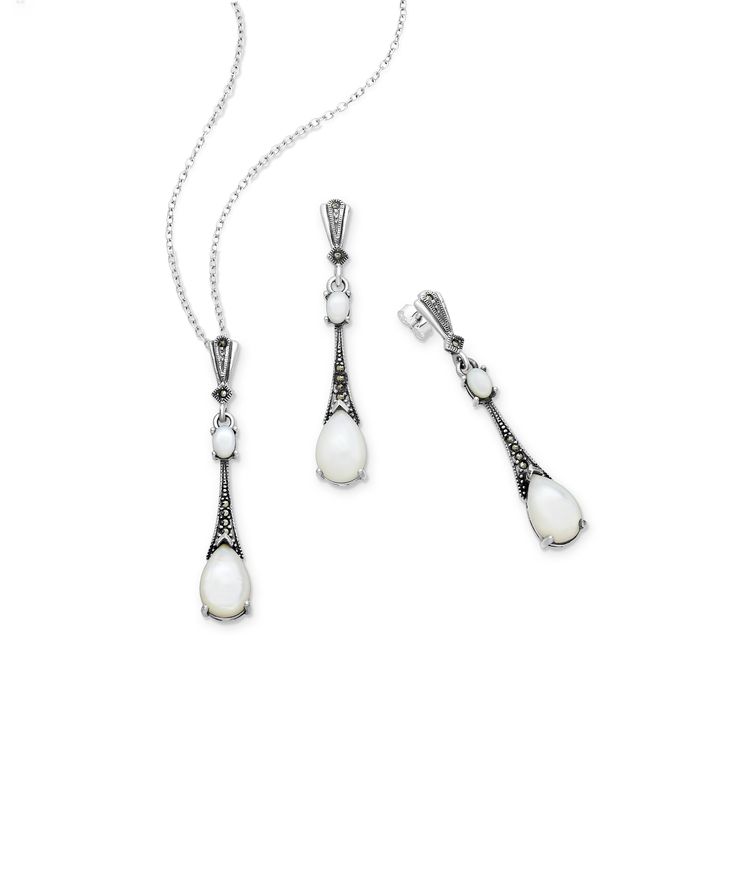
- Naming collections and pieces
- Creating visual themes
- Developing artisan or cultural stories
Storytelling increases emotional value.
10. Collection Launch Planning
Timing affects success.
Launch planning steps:
- Align with seasonal demand
- Prepare marketing assets early
- Coordinate wholesale and retail availability
Well-executed launches maximize impact.
11. Managing the Product Lifecycle
Not all designs should last forever.
Lifecycle stages include:
- Introduction
- Growth
- Maturity
- Phase-out
Regular evaluation keeps collections fresh.
12. Feedback-Driven Product Improvement
Customer feedback guides refinement.
Feedback sources:
- Sales data
- Retailer input
- Customer reviews
Iterative improvement strengthens future collections.
13. Limited Editions and Capsule Collections
Short runs reduce risk and increase excitement.
Benefits include:
- Testing new ideas
- Creating urgency
- Appealing to collectors
Capsule collections support innovation.
14. Aligning Product Development with Brand Strategy
Product planning must reflect brand positioning.
Strategic alignment includes:
- Target market alignment
- Price positioning consistency
- Ethical and sustainability goals
Alignment ensures coherent brand growth.
15. Future Directions in Marcasite Product Development
Modern development continues to evolve.
Emerging directions:
- Modular and convertible jewelry
- Gender-neutral collections
- Sustainability-focused design
Innovation keeps marcasite relevant.
Conclusion
Product development and collection planning are the backbone of successful marcasite jewelry brands. By combining clear concepts, market insight, disciplined planning, and strong storytelling, brands can create collections that are both artistically meaningful and commercially viable. Thoughtful development ensures that each marcasite collection not only reflects timeless beauty but also supports sustainable growth in an ever-changing global market.